 All Things Open 2025 convention center
Can LLMs ever be truly open source?
Many assume that releasing model weights makes AI “open source”. But reproducibility in AI works differently from traditional software.
Training is non-deterministic at scale. Running the same code and data on CPU versus GPU produces different results because floating-point operations work differently across hardware. Small differences compound during training. For example, storing training attempts for a single 100-epoch session costs several million in cloud storage.
Most “open source” models don’t include training code. Research papers often omit code and weights entirely. Without the original datasets and training methods, recreating a model is nearly impossible-like figuring out a recipe by only tasting the finished dish.
AI is not software, it is math that happens to run on computers. Models work more like compressed data than traditional programs. Until training code, datasets and computing power become more accessible, truly open source AI remains out of reach for most developers.
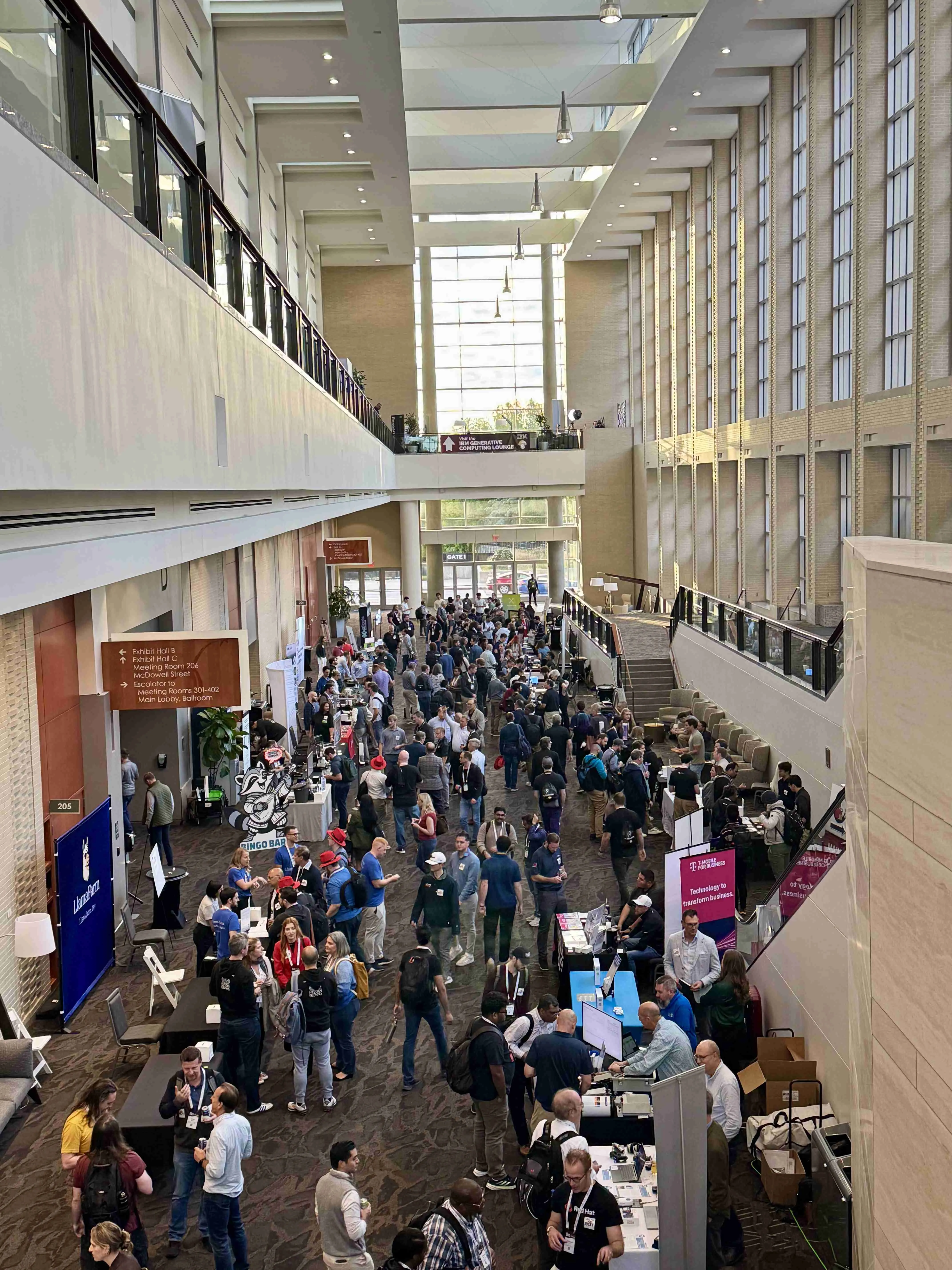
 All Things Open 2025 exhibit hall
Deploying AI on the edge & robotics
Modern low-code robotics platforms offer NPM-like registries for robot components. A simple setup, Raspberry Pi, webcam and labeled dataset, can run LiteRT models locally. These platforms run servers on the Pi that sync configuration from a central console, making robot assembly feel like composing software modules.
Running models on devices needs a different approach than cloud deployment. Large Language Models require GPUs, but Small Language Models (SLMs) can run on CPUs after quantization. The workflow is simple: fine-tune first, then quantize to create models suitable for edge devices.
ExecuTorch and TorchScript enable on-device inference for vision, speech and generative tasks. Three quantization approaches exist: quantization-aware training, static post-training quantization and dynamic quantization. One demo showed a complete pipeline-model on Raspberry Pi, API layer and voice recognition, all running without cloud connectivity.
TinyML takes this further to Arduino-scale devices. Microsoft’s 1-bit LLM BitNet shows how far model compression can go while keeping usable performance.
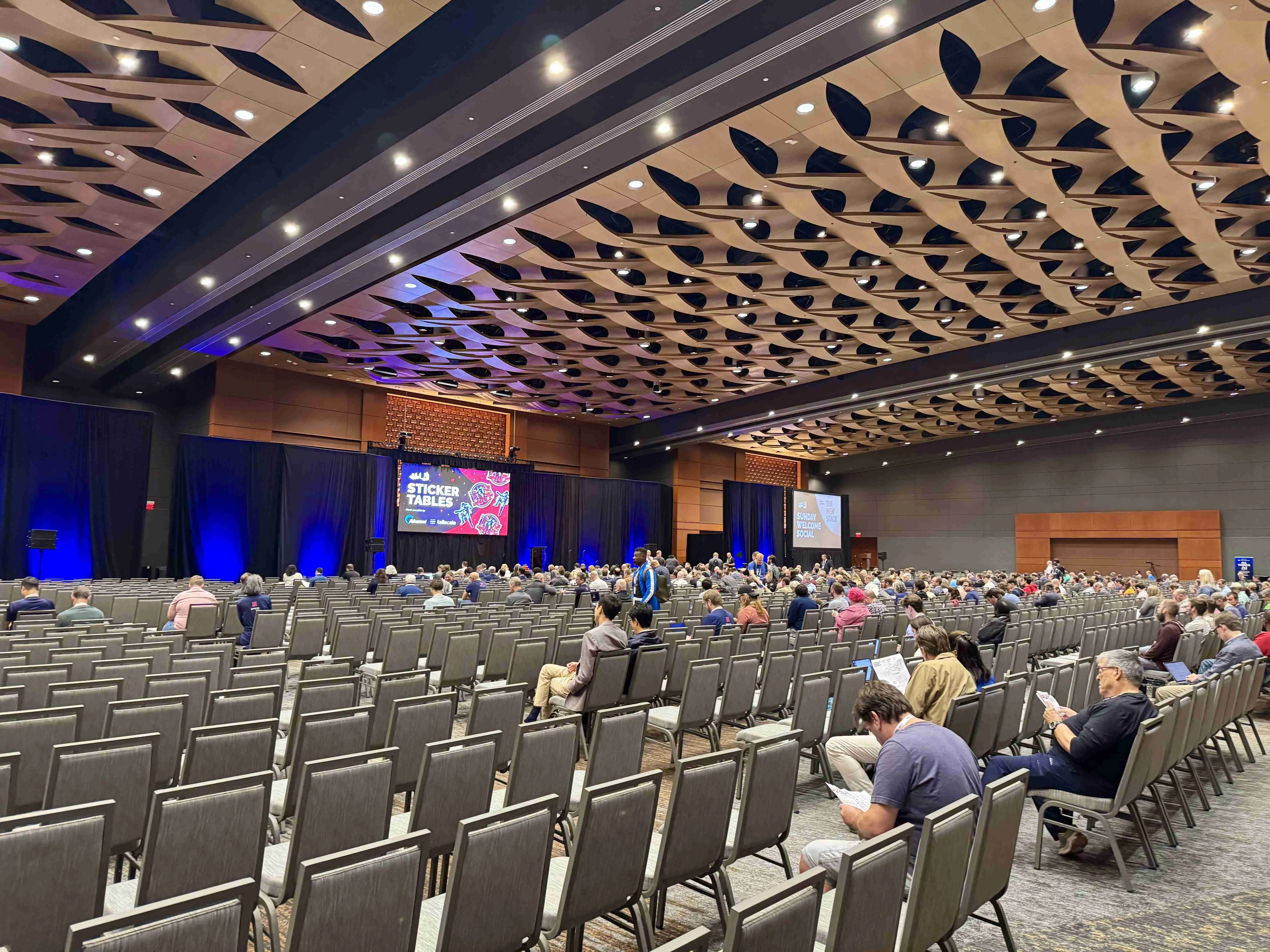 All Things Open 2025 keynote
Worth exploring
- Mellea - framework to convert prompts into source code
- LlamaFarm - open source AI tooling
- GitHub accessibility scanner
 All Things Open 2025 RIOT
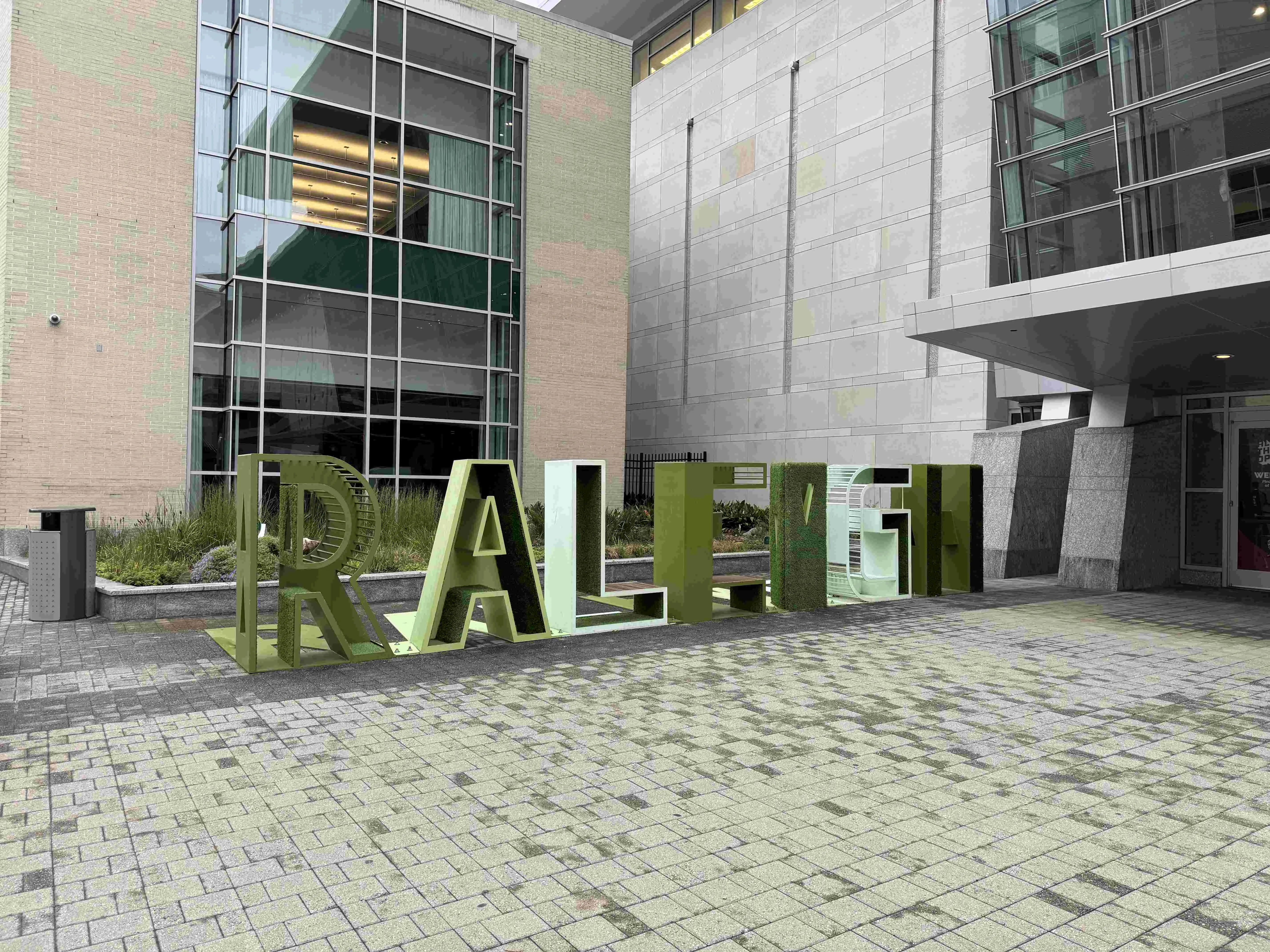 All Things Open 2025 convention center